SGA Cheat Sheet: LEED Zero Carbon
August 21, 2024
By: Joseph Mamyek, Design Principal, AIA, LEED AP, and Sadaf Jafari, Director of Sustainable Design, CPHC, LEED® AP BD+C & Homes
What is the fastest and easiest way for the U.S. to get to carbon neutrality in 2050? The answer: New developments that achieve LEED Zero Carbon. In many cities, buildings account for more than 70% of carbon emissions—which means that new structures represent the greatest and most immediate opportunity for reductions and positive impact.
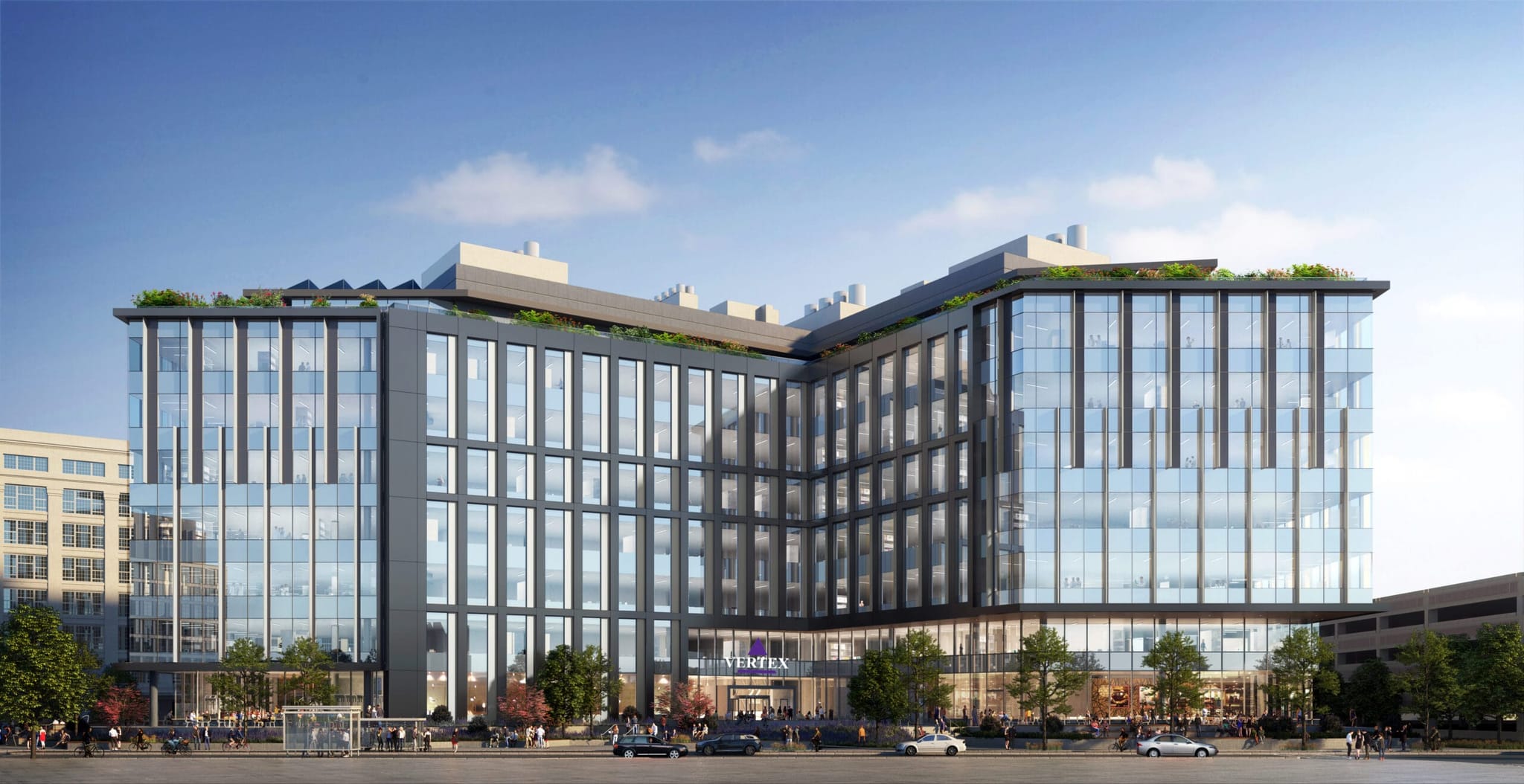
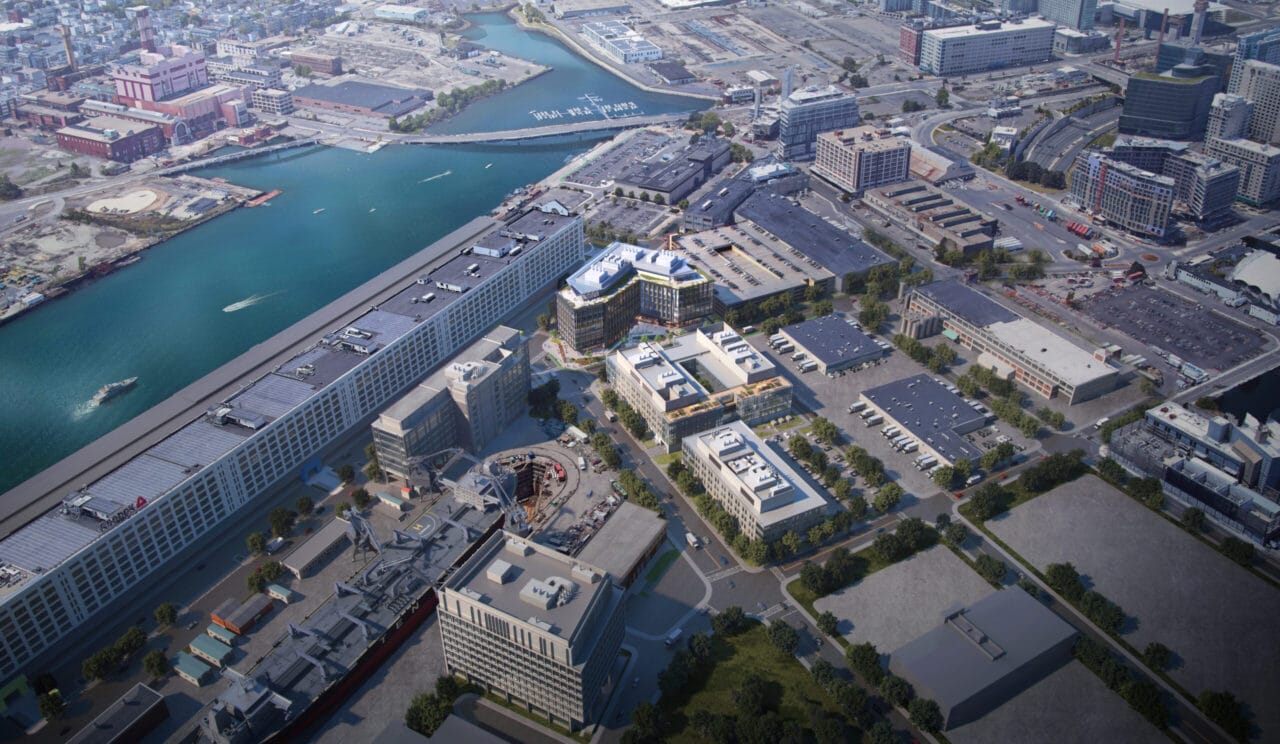
SGA is at the forefront of this industry shift across markets and geographies. The firm is behind the first building in Boston targeted to achieve LEED Zero Carbon and it has many other projects already positioned to achieve the same certification.
In SGA’s latest Cheat Sheet, we share what you need to know to ensure your building is recognized as LEED Zero Carbon: a certification that calculates the emissions from energy consumption through carbon emissions avoided or offset over a period of 12 months.
BACKGROUND
Today, LEED Zero may be earned by projects that are LEED certified under a BD+C (Building Design + Construction) or an O+M (Operations and Maintenance) rating system. LEED Zero Carbon takes into account that the building has been operating with net zero carbon emissions over the past year.
The certification is a transparent accounting of the energy consumption and occupant transportation to carbon emissions avoided or offset. In the future, we expect it will expand to include carbon caused from water consumption and waste generation, and the embodied carbon of materials to conduct a successful carbon balance.
THE EQUATION
Carbon output must be considered through the entirety of the building’s life cycle. It also takes into account the energy sources utilized for building functionality as well as the carbon emissions from the transportation of building occupants. Carbon balance is achieved through the total carbon emitted minus total carbon avoided.
Total Carbon Emitted – Total Carbon avoided = Carbon Balance
STEP 1
Calculate Carbon Emitted (measured in CO2e per year)
This step is calculated based on energy sources required for the functionality of the building (electricity, natural gas, propane, district steam, etc.) plus the calculations for carbon emission from transportation for the occupants for a year (walking/biking/telecommuting, rail, bus, car, etc.).
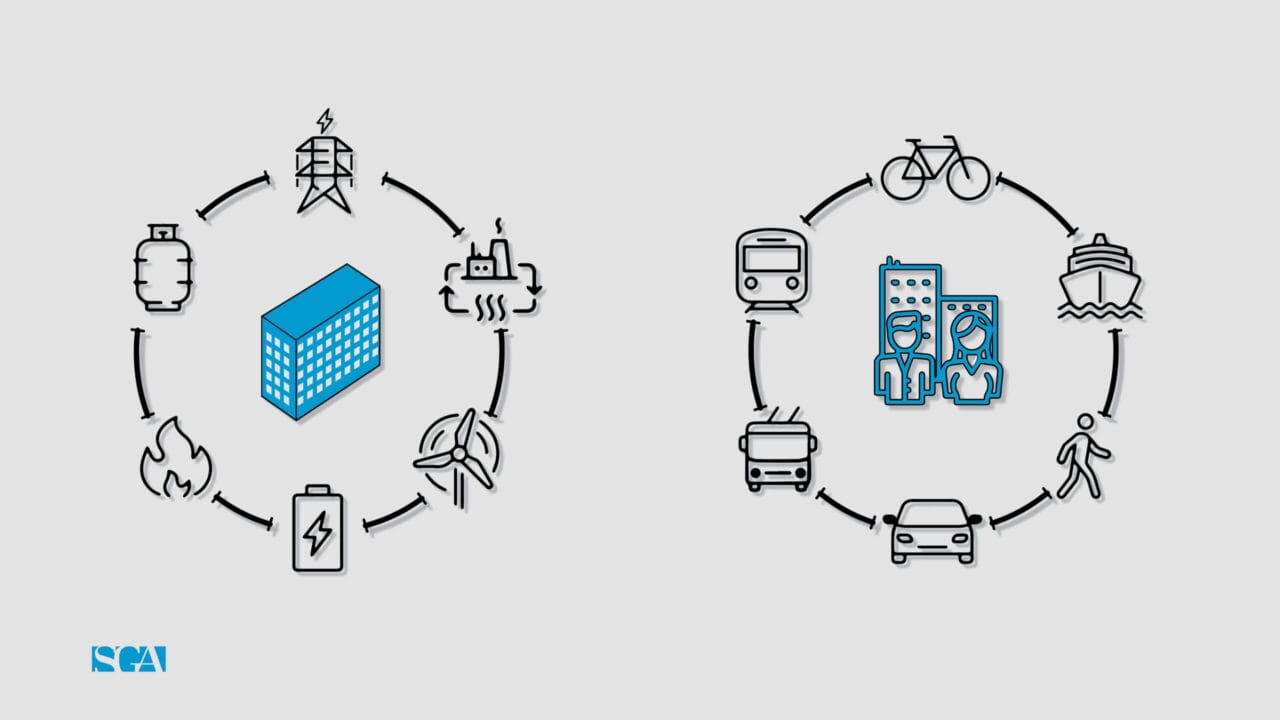
Minimizing the carbon needs is dependent on designing a building with a high-performance envelope and integrated building strategies that impact energy, transportation, water, waste, and materials.
Critical strategies that impact building and project performances include:
Overall building characteristics
- Building geometry, site integration, and orientation
- Surface-area-to-volume ratio (SA:V)
- Strategic solar gains based on location and season
- Effective building shading
High-performance envelope considerations
- High-performance windows and frames (vacuum double glazed, low-E membrane and triple glazing)
- Low window-to-wall ratios (WWR)
- Continuous insulation
- Strategic window shading
- Phase-change materials
- Reflective materials
- Green roofs
- Ventilated facades
- Building Integrated Photovoltaic (BIPV)
- Smart glass (electrochromic, liquid crystal)
- Minimized air infiltration
- Eliminate thermal bridging
Integrated building strategies
- Balanced ventilation and heat recovery
- Modular air-to-water heat pumps
- Exhaust DOAS with Konvekta with heat pumps
- Construction/demolition waste management planning
- Smart building controls
- Efficient building mechanical systems such as air, water, and geothermal heat pumps
- Smart Grid Integration (Demand Response and Energy Storage)
- Manage indoor/outdoor water use
- Administer building life-cycle impact
Considerations for occupant transportation
- Selected location and site
- Pedestrian-friendly design
- Platforms that enable carpooling and ridesharing
- Telecommuting and flexible work schedules
- Proximity to quality transit and established bike paths
- EV charging stations
- Incentives for employees (promoting sustainable transportation and active lifestyles)
- Occupants’ education and awareness
STEP 2
Calculate Carbon Avoided (measured in CO2e per year)
This step is calculated based on converting off-site renewable energy procurement to total carbon avoided. This can take the form of onsite renewable energy generated and exported to the grid, energy procured, and carbon offsets purchased.
Take advantage of carbon avoided
- Partner with 3rd party experts who study PV, geothermal, tidal, and wind
- Understand procurement processes
- Negotiate agreements with utilities
- Understand maximum yield and value to the project, neighborhood, and community
STEP 3
Calculate Carbon Balance (measured in CO2e per year)
Total Carbon Emitted (Step 1) – Total Carbon Avoided (Step 2) = Carbon Balance (Step 3)
This final calculation determines how close the total project is to carbon balance and neutrality. Achieving neutrality may require that the project team increase renewable energy procurement and/or invest in carbon offsets—purchasing Energy Attribute Certificates (EACs), or Renewable Energy Certificates (RECs)—in order to achieve LEED Zero Carbon certification on a yearly basis.
CONCLUSION
Achieving carbon neutrality by 2050 is possible, but the considerations and calculations we’ve outlined in this cheat sheet are just the beginning. To successfully hit this ambitious environmental goal, development and architecture teams need to rely on excellent partnership and category expertise, as well as outstanding design, style, and sustainability acumen.
Want to learn more about how we can design your next LEED Carbon Zero project?
Contact SGA, leaders in sustainability and innovation.
sga-arch.com; hello@sga-arch.com
YOUR SUSTAINABLE MASTER PLANNING TEAM

Sadaf Jafari, CPHC, LEED® AP BD+C
Director of Sustainable Design
With a background in Architecture and Engineering, Sadaf’s holistic approach to design prioritizes the intricacies of each site to deliver custom-fit solutions that optimize sustainable performance. Sadaf is passionate about engaging communities in the important conversations around sustainability and resiliency.
Connect with Sadaf Jafari >

Joe Mamayek, AIA, LEED AP
Principal
With over 30 years in architecture, Joe explores new frontiers, champions environmental stewardship, and fosters community connections. His focus on life sciences aligns with these goals. Since joining SGA in October 2020, Joe has overseen life science projects in Boston, establishing design visions, and collaborating on execution. His diverse experience spans research, hospitality, healthcare, and more, with award-winning projects recognized by top industry organizations.
Connect with Joe Mamayek >